Pavement and Vehicle Regulations Affecting Forestdale Moves
Posted on 29/07/2026
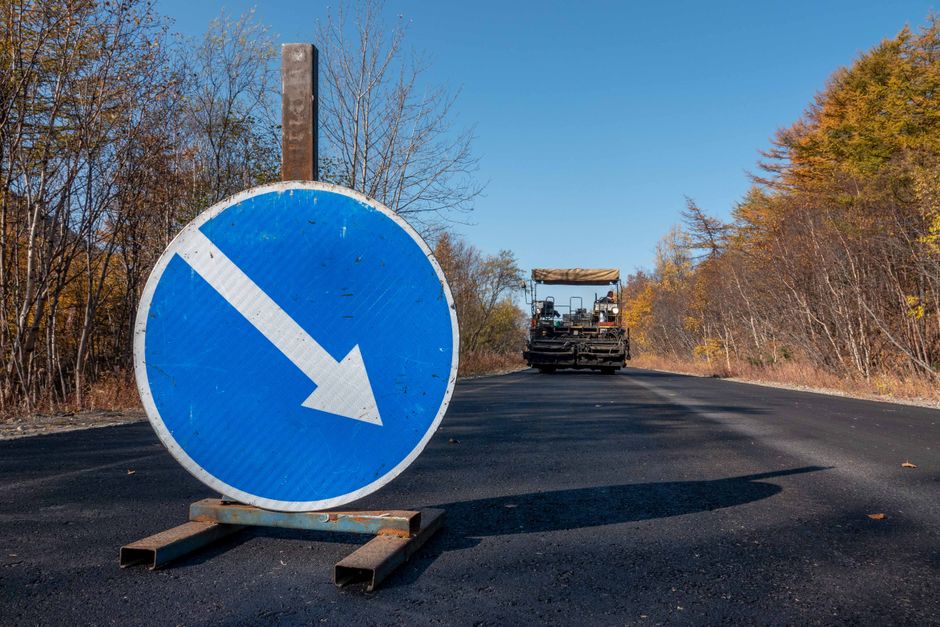
Pavement and Vehicle Regulations Affecting Forestdale Moves: A Practical Guide for Safer, Smoother Removals
Moving home in Forestdale can be straightforward on paper, then suddenly awkward in real life. A van that is perfectly fine on a wider road can become a problem when pavement space is tight, parking is restricted, or a vehicle sits in the wrong place for five minutes too long. That is why understanding Pavement and Vehicle Regulations Affecting Forestdale Moves matters so much. It is not just about avoiding a ticket. It is about keeping the move safe, keeping neighbours happy, and making sure your removal day does not unravel over something as mundane as where the van stops.
In this guide, we will break down the practical side of moving in Forestdale: what these regulations usually mean, why they matter, how they affect route planning and loading, and what you can do to stay compliant without turning the whole day into a headache. We will also look at common mistakes, useful planning steps, and where local move preparation often goes wrong. A lot of it is common sense, to be fair, but the details really do add up.
Why Pavement and Vehicle Regulations Affecting Forestdale Moves Matter
At first glance, parking and pavement rules can feel like background noise. You are thinking about boxes, heavy furniture, stairwells, and whether the kettle is packed. Fair enough. But when a removal van blocks a dropped kerb, sits over a footway, or can't legally wait where the crew hoped, the whole move slows down. In the worst cases, the job gets more stressful, more expensive, and a bit embarrassing as well.
Forestdale moves often involve residential streets, estate layouts, and shared access points where space is limited. That means vehicles have to be positioned carefully. Drivers may need to avoid pavement damage, protect pedestrian access, and respect local parking arrangements. For homeowners, tenants, students, and small businesses, these rules affect timing, loading distance, labour effort, and even the type of van you choose.
There is also a customer experience angle. A well-run move feels calm, even if it is busy. You hear the van door open, the trolley roll, the team work around the property, and everything flows. But if the vehicle is in the wrong spot, the rhythm breaks. More walking. More handling. More chance of knocking a wall, scraping a curb, or delaying the schedule.
Key takeaway: the more access-friendly your plan is, the less likely your move is to suffer delays, complaints, or avoidable damage. Good access planning is not a luxury. It is part of the move itself.
If you are also trying to keep the wider move organised, it can help to read the ultimate strategy for stress-free house moving and smart decluttering tips for a hassle-free shift. Less clutter usually means fewer trips, which matters more than people expect when parking is tight.
How Pavement and Vehicle Regulations Affecting Forestdale Moves Work
The phrase sounds formal, but the practical meaning is simple: you need to use roads, pavements, kerbs, driveways, and loading areas in a way that does not breach local rules or create an obstruction. In moving terms, this usually affects three things: where the vehicle can stop, how long it can stay there, and what loading method is safest and allowed.
Most moves in Forestdale need at least one of the following to be considered carefully:
- temporary parking near the property
- use of a driveway or dropped kerb
- short-term loading/unloading on the street
- manoeuvring around narrow roads or parked cars
- careful footway use when carrying items to and from the van
In plain English, the van cannot just be dropped anywhere because it is convenient. If the crew has to place the vehicle partly on a pavement, block access, or use a road space that would normally be restricted, the move has to be planned around that reality. Sometimes this is easy. Sometimes it is very much not.
Local access is a big part of this. Some streets allow a quick stop but not a long wait. Others are fine for one vehicle but awkward for larger vans. And if your property is on a bend, near a corner, or close to a busy junction, the driver may need to position the van further away and use trolleys or longer carrying routes. That is where planning matters. A move that takes 20 minutes indoors can take 40 minutes outside if the access is poor.
It also helps to think about the move in layers. First, access to the property. Second, access from property to vehicle. Third, route out of the area. That final layer is often overlooked. A van may enter Forestdale easily enough, but the exit route may be less forgiving if traffic builds or local roads are awkward for larger vehicles. A practical route-aware article such as best removals routes for Forestdale Estate to East Croydon can help you think beyond the front door.
One more thing: if you are moving from a flat, top-floor access and parking distance can work together in annoying ways. A poor parking spot and a stair-heavy route are not a fun combo. If that sounds familiar, have a look at flat removals support in Forestdale and you will see why access planning is such a big deal.
Key Benefits and Practical Advantages
Following pavement and vehicle rules is not just about avoiding problems. Done properly, it makes the whole move better. Simpler. Safer. Less chaotic. And honestly, less sweaty.
1. Fewer delays on the day
If the van already has a legal and sensible stop point, loading starts on time. That sounds obvious, but it is one of the biggest differences between a move that drifts and a move that stays on track.
2. Reduced risk of damage
When a vehicle is placed properly, there is less chance of scraping curbs, hitting bollards, or forcing furniture through a narrow, awkward path. The same goes for pavement use. Better positioning usually means fewer awkward lifts.
3. Better safety for everyone
Pedestrians, children, neighbours, and the removal crew all benefit when the vehicle is not obstructing paths or creating blind spots. On a wet day, with a slippery pavement and people moving in different directions, this becomes especially important. You do not want a quick job turning clumsy at 8:15 in the morning.
4. Lower hidden costs
Delays can create extra labour time. Poor parking can mean extra carrying distance. Unplanned vehicle repositioning can waste minutes that quickly become expensive. For people trying to keep a move budget sensible, that is a real advantage.
5. Better neighbour relations
A respectful move tends to go down better with everyone nearby. Nobody loves a van blocking the route to their driveway or sitting with engine noise outside their window for too long. Keep it tidy and considerate, and the day usually feels lighter.
For a more general cost-awareness angle, it is worth reading hidden costs in Forestdale removals and how to avoid them. Access issues are one of those quiet cost drivers people forget until the quote changes shape.
Who This Is For and When It Makes Sense
This topic matters to almost anyone moving in or out of Forestdale, but some people feel it more sharply than others.
- Homeowners who need a van close to the property for larger furniture
- Tenants moving out under time pressure, especially if parking is limited
- Flat movers dealing with stairs, shared entrances, or estate layouts
- Students who may be moving with smaller vehicles but still need legal stopping space
- Office movers where loading bays, roadsides, and access windows need coordination
- Anyone moving bulky items such as sofas, beds, appliances, or pianos
It also makes sense if your move is time-sensitive. Same-day moves, late notice bookings, and winter moves are particularly vulnerable. Once daylight fades, everyone becomes a little less patient and a little more rushed. That is just human nature. If you are facing that sort of deadline, emergency same-day removals in Forestdale is the kind of topic worth checking before the day gets away from you.
If you are moving a piano, the access question becomes even more important because the item is heavy, awkward, and not forgiving. A careful read of why a piano move is not a DIY project makes that pretty clear.
Step-by-Step Guidance
Here is a practical way to plan around pavement and vehicle regulations without overcomplicating it.
- Check the property access first. Look at the frontage, the curb, driveway width, and whether the van can stop safely without blocking pedestrians or driveways.
- Measure the moving distance. If the van cannot park directly outside, estimate the carry distance from property to vehicle. A few extra metres matter when carrying wardrobes.
- Identify restrictions early. Look for obvious signs, narrow turns, estate access issues, or spaces that seem usable but are actually awkward once a van is involved.
- Decide whether you need a smaller vehicle. Sometimes a slightly smaller van is more efficient than a large one that cannot position properly. Bigger is not always better. Funny, that.
- Plan loading order. Put the items needed first near the exit, then arrange the rest so the crew is not weaving back and forth.
- Protect pedestrian flow. Make sure people can still pass safely if the van is nearby. This is especially important near shared paths and estate walkways.
- Allow buffer time. Access can be more awkward than expected. Another car, bin day, or a delivery lorry can change the whole setup in seconds.
- Confirm the plan with your removal provider. Good movers will want to know about access before the day, not during it.
If you are using a moving team, a good brief makes a huge difference. Tell them about narrow roads, parking limits, stair access, lift restrictions, and anything that may affect vehicle placement. The more accurate the info, the less improvisation you will need later. And improvised moving is rarely charming in real life.
For packing efficiency alongside access planning, packing hacks to simplify your next house move is useful because lighter, better-labelled boxes reduce carry time. Likewise, if the move includes fragile or awkward items, smart ways to move your bed and mattress with ease helps you avoid last-minute reshuffling.
Expert Tips for Better Results
After enough local moves, a few patterns become obvious. The smooth jobs are not usually the ones with the fanciest equipment. They are the ones where access was thought through early.
Think about the van before thinking about the boxes
People often focus on packing first, but the vehicle decision shapes the rest. If the van cannot sit well, everything else gets harder. Even one awkward parking choice can turn a tidy plan into an exhausting shuffle.
Use carrying distances as a planning tool
If the van needs to stop further away, reduce box weight and split larger loads into manageable pieces. That might mean a few more boxes, but it is better than overloading carriers for a long walk across a shared path.
Protect the pavement and the property edge
Be mindful of soft ground, raised slabs, loose edging, and wet surfaces. A heavy item dragged over a curb can damage both the load and the surface. In our experience, that is one of the easiest mistakes to avoid.
Move early if the street is busy
Morning slots can sometimes be easier because streets are calmer and residents are not yet coming and going as much. Not always, but often enough to be worth considering.
Keep one person watching the vehicle position
A small human detail, but useful: someone should keep an eye on the van while others are loading. It stops accidental obstruction and helps the driver reposition quickly if needed.
Be realistic about "just stopping there"
We have all said it. "It'll be fine there for five minutes." Sometimes it is. Sometimes it absolutely is not. Better to assume access will need proper thought, because that assumption saves more stress than optimism does.
If you are moving furniture, the practical side becomes even more relevant. Read furniture removals in Forestdale for a broader view of handling bulky items with less hassle. For heavier specialist pieces, the right help matters more than brute force. Always has.

Common Mistakes to Avoid
Most access problems are predictable. That is the annoying part. The good news is they are also avoidable.
- Assuming the van can park directly outside. That may be true on a quiet day, but not something to rely on.
- Ignoring the width of the vehicle. A long wheelbase van can be completely fine in one area and a nuisance in another.
- Blocking pavements without checking pedestrian access. This is where complaints and safety issues start.
- Forgetting about shared entrances or dropped kerbs. These can create awkward bottlenecks.
- Underestimating carry time. Ten extra metres per trip adds up quickly.
- Not telling the removal team about local quirks. A narrow approach, a steep slope, or a tricky turn should be mentioned in advance.
- Leaving route planning until moving day. That is how a simple job turns reactive.
A lot of these mistakes sit in the "it'll be alright" category. And yes, sometimes it is. But removal day is not the best time to gamble.
For cleaning and handover details after the move, it helps to see how to leave your old home spick and span before moving. If the move includes dismantled furniture or delicate items that need temporary storage, maintaining sofa quality during long-term storage is another practical read.
Tools, Resources and Recommendations
You do not need a box full of special gear, but a few tools can make access planning much easier.
- Measuring tape for doorway widths, driveway space, and carry routes
- Move inventory list so you know what needs to go first
- Phone photos of access points for the removal team
- Box labels to speed up loading and unloading
- Furniture covers and blankets to protect items when carry routes are tight
- Trolleys or sack trucks where suitable and safe
In practical terms, the most valuable "resource" is a clear pre-move conversation. That means discussing road access, timing, vehicle size, likely stopping points, and whether any temporary parking arrangement is needed. If you are unsure, ask early. That is what good planning is for.
It may also help to review your wider service options. A move involving a van, labour, packing support, or storage can be easier to coordinate when you understand the available setup. The services overview and packing and boxes support pages are useful if you want to compare what kind of help suits your access situation. And if things are moving fast, same-day removals in Forestdale can be relevant when time and access both need quick decisions.

Law, Compliance, Standards, or Best Practice
Without getting tangled in legal jargon, the safest approach is to treat pavement and vehicle rules as part of your responsibility as a mover. In the UK, road use, obstruction, pavement damage, and unsafe parking can all become issues if a vehicle is positioned carelessly. Local councils may also have their own parking controls, access expectations, or enforcement priorities, especially around estates and residential streets.
For movers and vehicle operators, the best practice is simple:
- do not block footways, driveways, or emergency access
- avoid unnecessary pavement use
- keep loading and unloading efficient
- respect local parking restrictions and permit requirements where they apply
- use a vehicle suitable for the road and the property access
- prioritise pedestrian safety over convenience
If a job needs extra care because of local restrictions, it is better to plan for that in advance than to improvise on the day. That includes checking whether a temporary permit or an alternative loading arrangement is needed. I would not assume every street in Forestdale works the same way, because they do not. Some are forgiving. Some are not.
For more on safety-minded working, health and safety guidance and insurance and safety information are worth keeping in mind. If you are a customer, it is reassuring to know the move is being handled with those basics in place. If you are a mover, it is just sensible professional practice.
Options, Methods, or Comparison Table
Not every move needs the same access strategy. The right method depends on the street, vehicle size, and volume of items.
| Method | Best For | Pros | Watch Outs |
|---|---|---|---|
| Park directly outside | Quiet streets, clear access, shorter moves | Fast loading, shorter carry distance | Not always possible; can block access if misjudged |
| Short roadside loading stop | Busy streets with limited space | Useful for quick turnarounds | Time-sensitive; must not cause obstruction |
| Driveway loading | Homes with suitable frontage | Efficient and usually safer for handling | Only works if there is enough room and access clearance |
| Further-parking + trolley carry | Narrow roads or restricted frontage | More flexible, sometimes necessary | Slower, more labour, more physical effort |
In practice, most Forestdale moves use a blend of these ideas. One property may allow a van close to the front. Another might need loading from a few houses away. The trick is not insisting on one perfect method. The trick is matching the method to the street.
Case Study or Real-World Example
Here is a realistic scenario. A family moving from a Forestdale property had a large wardrobe, a bed, a sofa, and several boxes. At first, they assumed the removal van could stop directly by the front door. On the day, it turned out the available space was partly blocked by another parked vehicle and the road bend made a bigger van awkward to position safely.
Instead of forcing the issue, the team paused, reassessed, and moved the van to a safer stopping point a short distance away. That meant a longer carry route, so the crew broke the load into smaller waves, used protective blankets, and kept one person watching the vehicle while the others moved items. It took longer than planned, yes. But it stayed controlled, legal, and damage-free.
The family still felt the pinch of the delay. Nobody loves that moment where you look at the van and think, "Right, this is not going to be as simple as expected." But because the access issue had been managed calmly, the rest of the move stayed steady. No broken items. No blocked footway. No unhappy neighbour leaning out of the window.
That is the real point here. A move does not need to be perfect. It needs to be workable. And workable is often enough.
Practical Checklist
Use this before moving day. It keeps the access side honest.
- Confirm where the van can legally and safely stop
- Check whether the pavement, driveway, or kerb creates an obstruction risk
- Measure obvious pinch points, gates, and access routes
- Tell the removal team about narrow roads or estate layouts
- Decide whether a smaller vehicle would improve access
- Keep boxes manageable for longer carry distances
- Protect floors, curbs, and thresholds if items will be moved repeatedly
- Leave enough time for loading without rushing
- Have a backup plan if the preferred parking space is taken
- Keep pedestrian access clear wherever possible
And if the move involves extra items you do not want to take straight away, storage can help. Storage in Forestdale can be a practical pressure valve when timing, access, or tenancy dates do not line up neatly. They rarely do, actually.
If you are moving appliances too, especially cold units, it is worth reading freezer care during inactive times. A freezer is not the sort of item you want to treat casually after a stressful loading day.
Conclusion
Pavement and vehicle regulations may not be the most glamorous part of moving in Forestdale, but they shape the day in very real ways. Get them right and the move feels calmer, safer, and more efficient. Get them wrong and even the best-packed boxes can end up waiting around while someone tries to solve a preventable access problem.
The smartest approach is simple: plan the vehicle position early, think about pedestrian space, respect local access limits, and build your move around the street rather than fighting it. That mindset saves time and reduces stress. It also makes the process more respectful to everyone around you, which never hurts.
If you are getting ready for a move and want the access side handled properly from the start, choose a team that takes these details seriously. That is where a lot of the hidden smoothness comes from. Quietly, behind the scenes. No drama.
Get a free quote today and see how much you can save.


