Forestdale Rubbish Disposal Rules & Fines from Croydon Council
Posted on 05/07/2026
Forestdale Rubbish Disposal Rules & Fines from Croydon Council: A Practical Local Guide
If you live in Forestdale, are moving home, or you've got a pile of garden waste, broken furniture, or mixed rubbish waiting to be dealt with, the rules can feel annoyingly specific. That's because they are. Forestdale Rubbish Disposal Rules & Fines from Croydon Council matter to anyone putting waste out for collection, arranging a clearance, or trying to avoid a penalty for fly-tipping or the wrong bin use. In plain English: if you want to stay on the right side of local rules, you need to know what counts as acceptable disposal, what doesn't, and where people trip up most often.
This guide breaks the topic down without the jargon. You'll find the practical steps, the common mistakes, how enforcement tends to work in real life, and what to do if you're clearing a property before a move. If you're already juggling boxes and deadlines, you may also find it useful to read our guides on decluttering for a hassle-free shift and stress-free house moving for the bigger moving picture.
Quick practical truth: most rubbish fines are avoidable. Usually, the issue is not "bad luck", but a small mistake made on a busy day.
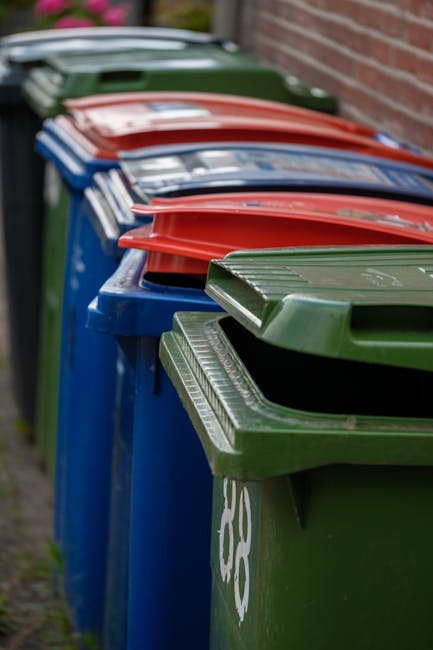
Why Forestdale Rubbish Disposal Rules & Fines from Croydon Council Matters
Waste rules are one of those things people ignore until the bins are full, the sofa has to go, or the landlord wants the property emptied by Friday. Then suddenly it matters a great deal. In Forestdale, rubbish disposal is not just about keeping the street tidy. It affects road access, vermin risk, neighbourhood appearance, and whether a property is left vulnerable to enforcement action.
There's also a real local angle here. Forestdale includes residential streets, maisonettes, flats, and homes where access can be awkward at the best of times. If bulky waste is left in the wrong place, it can block pavements, attract complaints, or be treated as illegal dumping. And once that happens, the conversation shifts from "What do I do with this?" to "How do I explain this fine?" which, let's face it, is never a fun email to open.
For people moving house, the topic matters even more. Waste often builds up in the final week: old curtains, damaged drawers, packaging, worn-out mattresses, and the contents of one very determined cupboard. A little planning keeps you compliant and saves time. If you are already organising a move, our article on packing hacks for your next house move can help reduce the amount of waste you generate in the first place.
Why this matters in practice:
- You reduce the chance of fines linked to fly-tipping or misuse of communal bins.
- You avoid nuisance complaints from neighbours or managing agents.
- You make moving day smoother because less clutter needs emergency sorting.
- You protect shared spaces, especially in flats and narrow streets where rubbish stands out quickly.
How Forestdale Rubbish Disposal Rules & Fines from Croydon Council Works
The basic idea is simple: dispose of waste in the correct way, in the correct container or collection stream, and in the correct place. The details, though, are where people get caught out.
In most local situations, rubbish disposal falls into a few broad categories:
- Household waste placed in the correct bins for normal collections.
- Recycling separated according to what the local collection system accepts.
- Garden waste handled through the proper collection or disposal route.
- Bulky items such as furniture, mattresses, white goods, or large broken items.
- Special waste like electricals, paint, sharp items, or materials that need more careful handling.
Where fines come in is usually one of three areas: leaving waste in the wrong location, putting prohibited items out with standard collections, or dumping waste without authorisation. The council's enforcement focus is typically on behaviour that causes harm, repeated issues, or clear disregard for the rules.
One thing people often miss is that responsibility does not always end when you hand rubbish to someone else. If you pay an informal collector who then dumps it illegally, you can still end up needing to explain where it came from. That's why it helps to use proper, traceable disposal routes. If you're planning a larger clear-out, our recycling and sustainability page gives a useful broader view of responsible disposal habits.
Simple rule of thumb: if it looks like it won't fit neatly into normal household waste, assume it needs a more considered disposal method before you put it out.
Key Benefits and Practical Advantages
Following the rules is about more than avoiding a ticket on the windscreen or a nasty letter. It also gives you practical control over a busy process. That's especially true if you're moving or clearing a property in Forestdale, where timing and access can be tight.
- Lower risk of fines: You reduce the chance of penalties for fly-tipping, obstruction, or improper disposal.
- Cleaner property handovers: This matters when leaving a rental, selling a home, or preparing a flat for check-out.
- Less stress on moving day: Fewer last-minute decisions means fewer errors.
- Better neighbour relations: Nobody enjoys waking up to a sofa left by the kerb for three days.
- Safer handling: Correct disposal reduces injury risk from sharp, heavy, or awkward items.
- Better use of storage and transport: You only move what's worth moving, which saves money and effort.
There's also a quieter benefit: peace of mind. Once the rubbish is sorted properly, the house feels ready. You hear the echo in the rooms a bit more. The awkward pile by the door is gone. That small difference can make the whole move feel more manageable.
If your issue is part disposal and part heavy lifting, it may help to review solo heavy lifting tips and our page on insurance and safety before attempting to shift bulky waste yourself.
Who This Is For and When It Makes Sense
This guidance is relevant to a wider group than many people think. In practice, the main people who need it are:
- Home movers clearing unwanted items before moving day.
- Tenants who need to leave a property clean and compliant.
- Landlords and agents dealing with abandoned items or end-of-tenancy clearances.
- Families replacing furniture or clearing garages, sheds, and lofts.
- Students moving out of a rented place with a last-minute pile of unwanted stuff.
- Small businesses or offices disposing of old furniture or packaging responsibly.
It makes the most sense to think about disposal rules before the rubbish starts piling up. That sounds obvious, but in real life people often do the opposite. They sort the move first, then try to solve the waste problem at 9pm with one bin bag, a damaged chair, and a hopeful expression. It rarely ends well.
For flat residents, the situation is a little more delicate because communal bins, shared hallways, and limited lift access can make rubbish placement more visible and more likely to be challenged. If that sounds familiar, our flat removals in Forestdale page may be useful alongside the advice here.
Step-by-Step Guidance
Here's a practical way to deal with rubbish in Forestdale without drifting into fine territory.
- Sort everything into clear categories. Separate general waste, recycling, garden waste, electrical items, furniture, and anything hazardous or awkward.
- Check what can actually go in your household bins. Do not assume the item is fine just because it is small. Broken glass, paint tins, and electrical parts can be a different story.
- Identify bulky items early. Sofas, wardrobes, beds, and mattresses are the ones that create pressure late in the process.
- Decide whether the item is reusable, repairable, or disposal-only. A scratched table might still be usable. A damp mattress probably isn't.
- Choose the correct disposal route. That may be council collection, a licensed clearance, donation, or transport to a proper facility.
- Keep the pavement clear. Do not block entrances, communal paths, or shared access points.
- Leave items out only when permitted. Timing matters. Too early can be as problematic as too late.
- Keep evidence of responsible disposal. For larger clearances, photo records or job notes can be helpful if questions arise later.
If you are preparing for a move, try combining this with decluttering. Fewer items mean fewer disposal decisions. A lot of people find our stress-free house moving strategy helpful for that wider planning stage.
Practical micro-example: if you've got a broken bedside table, a small TV, two black bags of mixed waste, and a mattress, don't treat them as one "rubbish pile". Separate them first. It's boring, yes. But it avoids the kind of mistake that becomes expensive later.
Expert Tips for Better Results
Having seen the same disposal mistakes turn up again and again, a few habits stand out as genuinely useful.
- Work backwards from moving day. Give yourself at least a few days to resolve bulky waste, because last-minute collections rarely feel calm.
- Use a "keep, donate, dispose" rule. If an item has not been used in a year and has no resale or donation value, it's probably disposal territory.
- Measure awkward items before arranging removal. A sofa that won't fit through a doorway becomes an instant headache.
- Photograph items before disposal. It sounds a bit overly cautious, but for larger clearances it can be reassuring.
- Protect shared areas. Use coverings, lift rather than drag, and don't leave residue or loose debris behind.
- Plan for recycling first. Reuse and recycling usually make more sense than sending everything to general waste.
If you are storing items during a transition, good preparation prevents extra waste later. For example, our guide on maintaining sofa quality during long-term storage explains how to avoid turning a usable item into disposal waste.
Expert summary: the safest rubbish strategy is simple: identify the item, confirm its correct disposal route, move it at the right time, and keep walkways clear. Most fines start with one rushed assumption.

Common Mistakes to Avoid
A lot of rubbish penalties come from habits people barely notice anymore. The issue is not usually malicious behaviour; it's convenience creeping in.
- Leaving items beside full bins. Once waste is outside the container, it may be treated as dumped waste.
- Mixing prohibited items into general rubbish. Electricals, liquids, and sharp materials need more careful handling.
- Putting out bulky waste too early. Overnight or multi-day placement can trigger complaints.
- Using unlicensed or unknown clearance services. Cheap is not always cheap, and the hidden cost can land back on you.
- Assuming "someone else will deal with it". Shared responsibility is a slippery phrase. Councils tend to ask who actually arranged it.
- Blocking pavements and access routes. Even a well-intended pile can become an obstruction.
- Forgetting about furniture condition. Wet, mouldy, or damaged items may need special handling rather than casual disposal.
One small but common mistake: people clear a room, stack everything by the front door, and then leave it for the weekend. By Monday, the pile looks intentional. That's when neighbours start staring out of the window. You know the feeling.
Tools, Resources and Recommendations
You do not need a warehouse of equipment to manage rubbish properly, but a few practical tools make life easier.
- Heavy-duty bin bags for sturdy containment of general waste.
- Gloves for broken, dirty, or sharp items.
- Masking tape and labels to mark what stays, what goes, and what needs recycling.
- Furniture sliders or blankets when moving bulky waste without damaging floors.
- Basic hand trolley for heavier items, especially on longer internal routes.
- Storage boxes to separate reuse, donation, and disposal categories.
Useful process resources on this site include packing and boxes in Forestdale for organising keep/dispose decisions, plus storage in Forestdale if the item does not need to be thrown away yet but cannot stay in the property.
For larger furniture or specialist items, a professional removal approach can be easier than trying to improvise. You may also want to review furniture removals in Forestdale and our services overview if disposal is tied to a wider move or clearance.
Law, Compliance, Standards, or Best Practice
Without turning this into a legal lecture, the key principle is straightforward: waste must be managed responsibly, and dumping rubbish in the wrong place can trigger enforcement. Councils in the UK commonly use civil penalties for certain waste offences and may escalate matters where fly-tipping, repeated nuisance, or obstruction is involved.
Best practice is to treat rubbish as something that stays under your control until it reaches a proper disposal point. That means:
- using the correct containers and collection channels;
- keeping clear records for larger clearances;
- avoiding informal disposal deals unless you are confident they are legitimate;
- making sure items do not become a hazard in shared spaces;
- separating special waste from everyday rubbish.
For moving and clearance work, there is also a sensible duty of care around safe handling. If an item is heavy, awkward, or difficult to manoeuvre, it should not be forced through a narrow hallway just to save ten minutes. That is how injuries and damaged walls happen. If you want a broader safety view, health and safety guidance and terms and conditions are worth a quick read before arranging help.
Best practice in one sentence: dispose once, dispose properly, and keep enough proof that you did it the right way.
Options, Methods, or Comparison Table
When people ask how to deal with rubbish in Forestdale, the real question is often which method makes the most sense for the situation. Here's a simple comparison.
| Method | Best for | Strengths | Watch-outs |
|---|---|---|---|
| Normal household collection | Routine waste and accepted recycling | Convenient and low effort | Limited item types; overload causes problems |
| Bulky waste collection | Large items like mattresses, sofas, and furniture | Direct and practical | Needs planning and correct item preparation |
| Donation or reuse | Usable furniture or appliances | Environmentally friendly | Only suitable if condition is acceptable |
| Professional removal or clearance | Whole-room, flat, or property clearances | Fast, efficient, less physical strain | Costs more than DIY, but often saves time |
| DIY transport to disposal route | Households with suitable vehicle access and time | Flexible and controlled | Heavy lifting, fuel, and tip rules can be awkward |
If you are moving a heavy item rather than discarding it, the method changes again. For instance, a mattress that is still useful might be better handled like a removal item, not waste. Our guide on moving beds and mattresses with ease can help you decide whether something should be removed, stored, or disposed of.
Case Study or Real-World Example
Here's a typical Forestdale scenario. A couple are moving out of a first-floor flat and discover, three days before handover, that they have an old wardrobe, a cracked coffee table, a mattress, and several bags of mixed clutter they no longer want. At first they leave everything in the hallway "just until we sort it". Then the hallway looks cramped, the lift becomes awkward to use, and one neighbour mentions the pile is blocking access. Not ideal.
They split the job into categories: reusable items, recyclable packaging, bulky waste, and true rubbish. The wardrobe is assessed for possible reuse; the broken table is placed for proper disposal; the mattress is checked against the correct collection route; and the bags are sorted so they don't end up as a mixed mess. Instead of hoping for the best, they build a plan for the next 48 hours. The difference is immediate. Fewer objects, less stress, no vague "we'll deal with it later" energy.
The most useful lesson? When rubbish is dealt with early, the rest of the move becomes calmer. You hear less shuffling. You think more clearly. And the flat starts to feel like it belongs to the future, not the cluttered past.
Practical Checklist
Use this before you place anything out, book disposal, or hand over keys.
- Have I separated normal waste, recycling, bulky items, and special waste?
- Do I know whether each item is reusable, recyclable, or disposal-only?
- Have I checked whether the item can go in standard collections?
- Will anything block the pavement, hallway, entrance, or shared access?
- Do I need a bulky waste solution or professional help?
- Have I avoided leaving waste out too early?
- Have I kept photos or notes for larger items?
- Is the disposal route legitimate and appropriate for the item type?
- Have I considered storage if I'm not ready to dispose of the item yet?
- Is there anything sharp, heavy, damp, or hazardous that needs extra care?
If you are in the middle of a move, it can also help to review our guide on leaving your old home clean before moving. It fits nicely with rubbish planning because both tasks affect the final handover.
Conclusion
Forestdale rubbish disposal is one of those local tasks that looks simple until the small details pile up. Croydon Council's rules, the risk of fines, and the practical realities of shared streets and flats all make it worth handling properly. The good news is that once you understand the basic categories and give yourself a bit of time, it becomes very manageable.
The safest approach is straightforward: sort early, use the right route for each item, keep shared spaces clear, and don't rely on guesswork. That alone removes most of the risk. And if your rubbish problem is really part of a bigger moving or clearance job, getting organised now will save you a lot of future stress. To be fair, that's often the difference between a smooth week and a scramble.
Get a free quote today and see how much you can save.