Best Removals Routes for Forestdale Estate to East Croydon
Posted on 27/04/2026
If you are planning a move from Forestdale Estate to East Croydon, the route matters more than most people realise. A short journey can still become a slow, awkward one if you hit narrow streets, school traffic, parking stress, or last-minute access issues at either end. Choosing the best removals routes for Forestdale Estate to East Croydon is not just about getting from A to B; it is about protecting your belongings, avoiding delays, and making the day feel controlled rather than chaotic.
This guide breaks down the practical route choices, timing considerations, access points, packing priorities, and safety checks that make a real difference. It is written for anyone arranging a house move, flat move, student relocation, or smaller van-based job between the two areas. If you want a smoother move, the route plan should be part of the move plan.
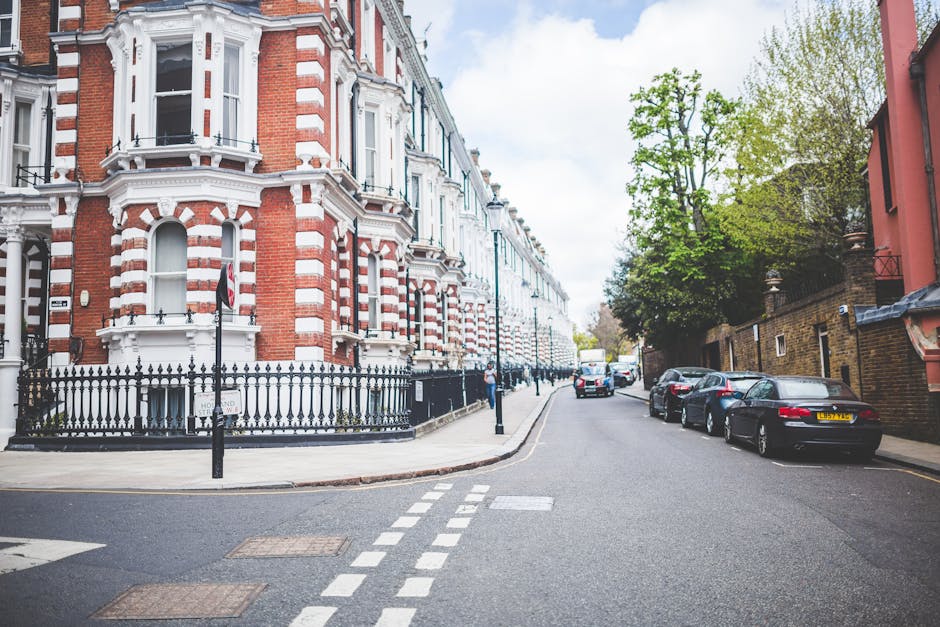
Why Best Removals Routes for Forestdale Estate to East Croydon Matters
Route planning is one of those unglamorous parts of moving that saves the whole day. The Forestdale Estate to East Croydon journey may look straightforward on a map, but removals work is not a normal commute. A van needs space to turn, a safe place to stop, and enough time to load without pressure. The route also affects how likely you are to face low bridges, busy junctions, residential restrictions, or awkward road layouts that slow the job down.
In practical terms, the right route helps you:
- reduce travel time and avoid unnecessary detours
- plan safer loading and unloading at both addresses
- match the van size to the streets you will use
- avoid peak congestion where possible
- keep furniture, boxes, and fragile items under less stress
There is another reason this matters: removals are rarely just about the main road between two points. They are often about the last mile at either end. A route that looks slightly longer on paper can actually be the smarter option if it gives the driver easier access, fewer tight turns, and a cleaner arrival at East Croydon.
For larger or more complex household moves, it is worth combining route planning with house removals support, or using a flexible service like man and van assistance if your move needs quick, efficient handling rather than a full-scale team.
How Best Removals Routes for Forestdale Estate to East Croydon Works
Good route planning starts with a simple question: what will make the whole moving day easiest, not just the driving segment? That means looking beyond the shortest road distance and thinking about access, loading time, traffic rhythm, and the type of property at each end.
Here is how a sensible removals route decision usually works in real life:
- Check the starting point access. Forestdale Estate can involve residential roads, parked cars, and limited turning room, so the collection point matters as much as the route itself.
- Assess the destination approach. East Croydon may offer faster access via main roads, but flats, terraces, and shared entrances can affect where a van can stop.
- Compare route types. A direct route is not always best. A slightly longer road with smoother flow can be better for a loaded vehicle.
- Time the move properly. School runs, commuter peaks, and local shopping traffic can add avoidable delays.
- Factor in parking and unloading. A good stop point near the property can save more time than shaving a minute off the drive.
For many local moves, the actual route choice is less important than the timing and access strategy. Truth be told, a well-packed van arriving ten minutes later but parking cleanly can beat a rushed arrival that blocks traffic and forces multiple shuttles.
That is why experienced movers often pair route planning with solid packing advice from resources such as packing successfully for a move and packing hacks to simplify your next house move. If the load is arranged properly, the journey is easier, safer, and quicker to unload.
Key Benefits and Practical Advantages
Once the route is chosen carefully, the benefits show up everywhere else in the move.
1. Less physical strain. The fewer unnecessary stops, tight turns, and repeated lifts, the easier it is on everyone involved. That matters if you have heavy furniture, awkward wardrobes, or a long carry from the property to the road.
2. Better protection for your belongings. Smooth travel reduces movement inside the van. That is especially relevant for fragile items, mirrors, framed art, appliances, and upholstered furniture. If you are transporting a sofa, it is sensible to read up on protecting your sofa during storage and transit so the fabric and structure arrive in good condition.
3. Fewer delays on the day. Every delay compounds. A traffic hold-up can become an access problem, which then becomes a loading problem. Route planning helps break that chain.
4. Easier coordination with helpers. If friends, family, or movers are meeting you at East Croydon, a clear route and arrival window make the whole operation less confusing.
5. A calmer move overall. A move with a decent plan simply feels more manageable. There is less improvisation, less backtracking, and less of that unpleasant feeling that the day is running you instead of the other way around.
If your move also involves a bed, mattress, freezer, or other bulky household item, specialist prep becomes even more useful. You may find it helpful to review safe bed and mattress moving advice and proper freezer storage guidance before moving day arrives.
Who This Is For and When It Makes Sense
This route planning approach is useful for more people than you might think. It is not just for large family houses with a full lorry load.
- Homeowners moving between Forestdale Estate and East Croydon with furniture, boxes, and appliances
- Flat movers dealing with stairs, lifts, tight hallways, and limited road access
- Students and younger movers using smaller van loads or shared transport
- Small businesses relocating equipment, archive boxes, or office furniture
- Anyone on a deadline who needs a same-day or tightly scheduled removals job
It also makes sense if you are moving only part of a household. Maybe you are taking the largest pieces first and leaving the rest for a later trip. Maybe you are putting items into storage before final delivery. In that case, route choice still matters because it affects how efficiently multiple stops can be sequenced. A flexible service like removal services support can be useful if your move needs more than a simple point-to-point trip.
If you are downsizing or deciding what to take, decluttering first is usually worth the effort. It reduces the load, shortens packing time, and often makes route planning easier because fewer trips are needed. A practical place to start is decluttering tips before moving or smart decluttering tips for a hassle-free shift.
Step-by-Step Guidance
If you want the move to feel organised, use this sequence rather than treating route choice as an afterthought.
1. Confirm both addresses and access details
Write down the full collection and delivery addresses, plus anything that could affect access: floor number, lift availability, parking restrictions, gate codes, and whether there is room for a van to stop nearby. The smallest detail can save the biggest headache.
2. Decide what size vehicle you actually need
A smaller van can be easier around residential streets, but it may require more trips. A larger van may carry everything in one go, but only if the access is suitable. If you are unsure, review the service options on man with a van support or a dedicated removal van page to match vehicle size with the job.
3. Compare route options before moving day
Check a live map and look for roadworks, queue-prone junctions, and any route that might be awkward for a loaded vehicle. The best route is often the one with the fewest surprises. If two options are close, choose the one with easier turns and clearer approach roads.
4. Build the schedule around traffic patterns
Early mornings can help avoid congestion, but only if everyone is ready. Midday can work well for shorter moves if the loading side is quiet. Late afternoon often introduces commuter pressure, especially closer to East Croydon. Pick the slot that balances traffic with practical readiness.
5. Pack by unload order
Place essentials, fragile items, and high-priority furniture where they can be reached first. If the van is loaded in a random way, the route itself may be fine but the unload becomes slow and frustrating. A useful refresher is move-out checklist and cleaning guidance, which helps you prepare the old property without rushing at the end.
6. Protect heavy and delicate items properly
Wrap surfaces, secure doors, empty drawers where necessary, and distribute weight sensibly. For bulky or unusual items, specialist handling is worth it. If you are moving a piano, the safest move is to use trained support rather than improvising; see best practices for piano moving for a clear explanation of why that matters.
7. Confirm arrival instructions for East Croydon
Tell everyone involved exactly where the van should stop, who is meeting it, and how the items will be carried inside. If the destination is a flat or shared building, this step can save a surprising amount of time.
Expert Tips for Better Results
These are the small, practical details that experienced movers quietly rely on.
- Avoid unnecessary multiple handling. Every time a box is lifted out, set down, and lifted again, the risk of damage goes up.
- Keep essentials apart. Documents, chargers, keys, medicines, and kettle items should travel together, not disappear into a box pile.
- Use labels that actually help. "Kitchen - fragile - open first" is useful. "Miscellaneous" is not.
- Photograph tricky setups. Take a quick photo of cable arrangements, fitted shelves, or furniture layouts before dismantling.
- Leave time for a final sweep. A clean, empty room is easier to move from than one still full of loose odds and ends.
A small but worthwhile observation: the quietest moves are usually the best organised ones. Not silent, obviously. Just calm enough that nobody is barking box numbers across the pavement.
If you expect a lot of furniture or need short-term holding, consider whether storage options might help break the move into stages. That can be especially useful if your access time is limited or your completion date does not line up neatly with your handover.
Common Mistakes to Avoid
Most moving problems are predictable. The good news is that they are also avoidable.
- Choosing the shortest route without checking access. A shorter drive is pointless if the van cannot park safely at the property.
- Ignoring timing pressure. Busy roads, school traffic, and parking restrictions can create a chain of delays.
- Packing before planning the load. If the van is packed randomly, route efficiency will not rescue the day.
- Underestimating heavy items. Sofas, beds, and pianos need more planning than a stack of boxes.
- Leaving compliance and permissions to the last minute. Parking arrangements are often overlooked until the van is already on the way.
- Forgetting to protect floors, walls, and door frames. Damage at either property can turn a smooth move into a stressful one.
There is also a common mindset mistake: assuming the move can be figured out on the fly. Sometimes that works. Often it does not. A few extra minutes of planning can remove a lot of unnecessary pressure.
If your move is part of a wider household transition, a guide such as efficient ways to make house moving stress-free can help you think through the bigger picture rather than just the drive itself.
Tools, Resources and Recommendations
You do not need specialist software to plan a removals route, but a few reliable tools and simple resources make a big difference.
- Live mapping apps for checking traffic, closures, and estimated travel time
- Parking notes or confirmation emails for both addresses
- Labels and markers for box tracking and room allocation
- Protective wrapping materials for furniture, mirrors, and electronics
- Spare tape, zip bags, and cable ties for dismantled parts and fittings
It can also help to choose support from a service that explains its process clearly. Start with the broader services overview, then review pricing through pricing and quotes so you understand what is included before booking.
For specific item handling, use relevant resources rather than guessing. For example, if you have a mattress or bed frame, a focused guide on moving your bed and mattress can be more helpful than generic advice. If you are moving office equipment, a targeted service such as office removals support is often the right fit.
Law, Compliance, Standards, or Best Practice
For local removals, compliance is mostly about road safety, property access, insurance, and responsible handling rather than complicated paperwork. Still, a professional approach should respect the basics.
Parking and stopping: The driver should only stop where it is safe and lawful to do so. If a parking bay, permit, or temporary arrangement is needed, it is best to arrange it in advance rather than improvising on arrival.
Building access: Flats and managed properties may have their own rules about moving times, lift use, or protection for communal areas. That is normal. It is worth checking before the van arrives.
Safety: Heavy lifting should be done with appropriate technique and equipment. If an item is awkward, brittle, or too heavy for one person, it should be treated as a two-person job or a specialist task. For background on safe handling, see the company's health and safety policy and insurance and safety information.
Terms and expectations: Good practice also means clear booking terms, clear payment terms, and a straightforward complaints route if something goes wrong. Those pages matter because they tell you how the service is run and what you can reasonably expect.
For environmentally minded customers, disposal and reuse decisions can also be part of the move. If you are clearing out surplus items, have a look at recycling and sustainability guidance so useful items do not end up needlessly discarded.
Options, Methods, or Comparison Table
Different move setups call for different methods. The table below gives a practical comparison rather than a theoretical one.
| Method | Best for | Strengths | Trade-offs |
|---|---|---|---|
| Direct route with a larger van | Full house moves with straightforward access | Fewer trips, efficient for bigger loads | May be harder on narrow roads or tight corners |
| Slightly longer route with easier access | Busy residential areas or awkward parking | Cleaner loading and unloading, less stress | Can add a little travel time |
| Multiple smaller trips | Partial moves, student relocations, mixed loads | Flexible and sometimes easier to stage | More handling, more time, more coordination |
| Storage-assisted move | Delayed completions or staged relocation | Good for split dates and cluttered homes | Requires an extra step and planning |
For many Forestdale Estate to East Croydon moves, the best choice is not a single "fastest" route. It is the route that fits your load, your property access, and your timing. That is usually where the real savings are made.
Case Study or Real-World Example
Imagine a two-bedroom flat move from Forestdale Estate to a home near East Croydon station. The original plan is to leave at a busy time because it suits everyone's work schedule. On paper, the drive looks quick. In practice, the road out of the estate is tight, the van struggles to stop outside the building, and unloading at the destination is delayed by parking pressure.
A better plan would have looked like this:
- load the van early while the street is quieter
- use a route that avoids the most congested junctions at peak time
- confirm a drop-off point close to the East Croydon property
- pack the first-needed boxes last so they come out first
- protect the large sofa and mattress separately so they do not get scuffed in transit
The difference is not dramatic in theory, but it is very noticeable on moving day. The trip becomes a single organised chain instead of a series of interruptions. And that is usually what people remember most: not the miles, but the friction.
If the load includes specialist items, use specialist advice. For example, piano transport should be planned with care, and a dedicated page such as piano removals support is the right place to start if the item is part of your move.
Practical Checklist
Use this checklist in the day or two before your move. It keeps the route plan tied to the actual job.
- Confirm both addresses and access instructions
- Check vehicle size against road and parking conditions
- Review live traffic and likely congestion windows
- Arrange parking or stopping permissions if needed
- Label boxes by room and priority
- Wrap fragile items and secure furniture doors
- Disassemble large items where appropriate
- Separate essentials for easy access at East Croydon
- Keep keys, paperwork, and contact numbers to hand
- Allow a buffer for loading, travel, and unloading
Expert summary: The best removals route is the one that reduces friction at both properties, not the one that merely looks shortest on a map. Plan for access, time the journey sensibly, and prepare the load properly. That combination is what makes a local move feel professional.
Conclusion
When you are moving from Forestdale Estate to East Croydon, route planning is part of the service, not a side note. A well-chosen route helps protect your belongings, keeps the schedule realistic, and makes the whole day easier to manage. If you balance access, timing, parking, and packing well, even a busy local move can feel straightforward.
The main thing to remember is simple: the best route is not always the shortest one. It is the one that makes the move safer, cleaner, and more efficient from the first box to the final unloaded item.
If you are comparing options, reviewing support pages, or planning a larger move with multiple items, take a moment to look at the company's about us, removals service page, and packing and boxes guidance so you can book with a clearer idea of what to expect.
Get a free quote today and see how much you can save.