Forestdale to Shirley Road - Navigating Narrow Streets
Posted on 14/05/2026
Moving through tight residential roads sounds simple until you are the one trying to guide a van between parked cars, brick walls, overhanging branches, and the occasional impatient driver. Forestdale to Shirley Road - Navigating Narrow Streets is exactly the kind of job where good planning matters more than brute force. One wrong turn, one poorly timed arrival, or one oversized load can turn an ordinary move into a frustrating day.
This guide explains how narrow-street removals work, why they matter, and how to approach them with less stress and fewer risks. Whether you are moving a flat, a family home, furniture, or a few awkward items, the same practical idea applies: make access easier before the van arrives, not after. If you want a broader look at planning a move in the area, our services overview and house removals in Forestdale pages are useful starting points.
Truth be told, narrow roads are rarely about the road itself alone. They are about timing, loading method, item size, neighbour access, parking, and the small details that either help a move flow or make everyone stand around waiting.

Why Forestdale to Shirley Road - Navigating Narrow Streets Matters
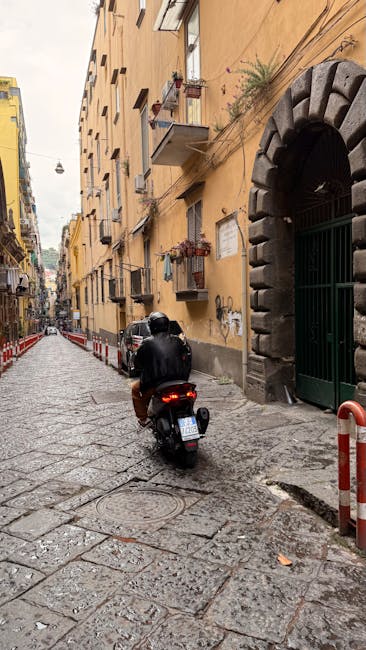
Narrow streets change the entire moving process. On paper, it may look like a short local journey. In practice, access can be the real challenge. A road that is just wide enough for a car can still be awkward for a removal van, especially when both sides are lined with parked vehicles and you have to leave space for residents, delivery drivers, and emergency access.
That matters because moving day is already full of small pressures. Boxes are stacked near the door, furniture is wrapped, somebody is asking where the kettle went, and the van is trying not to block a junction. If the route between Forestdale and Shirley Road includes narrow turns, pinch points, or limited stopping space, the risk of delays goes up quickly. Not dramatically. Just enough to create avoidable stress, and sometimes a few scraped nerves.
For local moves, the best result often comes from treating the road as part of the job, not just the backdrop. That means thinking about access, loading order, street width, and how long the vehicle can safely stand without causing inconvenience. A good mover will also consider whether items should be split into smaller loads, whether a smaller vehicle is better, or whether parking arrangements need to be made before lift-off.
If your move involves bulky furniture, a fragile piano, or a full flat clearance, the narrow-road question becomes even more important. Pages like furniture removals in Forestdale and flat removals in Forestdale are often relevant because these jobs typically involve more handling, more careful loading, and tighter timing.
How Forestdale to Shirley Road - Navigating Narrow Streets Works
At its simplest, narrow-street navigation is about matching the vehicle and the plan to the real conditions on the ground. That sounds obvious, but a lot of moving problems start when people assume the street will "probably be fine". Probably is not a plan.
Here is how the process usually works in real life:
- Route and access check. The mover looks at the likely route and checks where the van can reasonably enter, pause, and reverse if needed.
- Parking and stopping point planning. If the street is tight, the team decides whether the vehicle can stop outside the property or needs to wait nearby.
- Item grouping. Large pieces are identified first so they can be loaded in the right order and not get trapped behind lighter boxes.
- Loading strategy. The van is packed with the heaviest and most awkward items placed to avoid shifting during transit.
- Human traffic management. People, doors, bins, neighbours, and the occasional cyclist all need to be considered. It sounds minor. It rarely is.
In many local moves, a smaller or more agile vehicle can be the smarter choice than a larger one, especially if access is limited. That is one reason people compare man with a van services in Forestdale and removal van options before booking. The right vehicle is not always the biggest one. Sometimes it is the one that can actually get to the door without drama.
There is also a timing element. A narrow street at 8:30 in the morning can feel very different at 1:30 in the afternoon. School runs, delivery vans, bin collection, and commuter traffic all change how a road behaves. So the route itself may be fine, but the timing can make or break it. Small detail, big difference.
Key Benefits and Practical Advantages
Navigating a tight route properly is not only about avoiding trouble. It brings practical advantages that show up immediately on moving day and sometimes for days after.
- Fewer delays. A well-planned access route reduces loading bottlenecks and keeps the move moving.
- Lower damage risk. Less squeezing and fewer awkward turns means fewer knocks to furniture, walls, or door frames.
- Less physical strain. Shorter carries and better positioning can make a big difference, especially for stairs or heavy items.
- Better neighbour relations. Nobody enjoys a blocked street. A tidy, efficient move tends to create less friction.
- More accurate quoting. If the mover understands access issues early, the estimate is usually more realistic.
There is also a quieter benefit that people tend to notice afterwards: you feel more in control. That sounds small, but on a moving day when the house is echoing and the last box seems to have vanished, control matters. A lot.
For example, if you have already sorted what is being moved and what is not, your load will be lighter and your van time shorter. A helpful companion guide here is decluttering for a hassle-free shift, which pairs well with access planning because fewer items usually means fewer trips through a narrow doorway or along a cramped pavement.
Who This Is For and When It Makes Sense
This kind of planning is useful for anyone moving along tight local streets, but it is especially relevant in a few common situations.
- Households with large furniture. Sofas, wardrobes, beds, and dining tables are the usual troublemakers.
- Flat moves. Shared entrances, narrow stairwells, and parking restrictions make access planning essential.
- Students and smaller household moves. These may look simpler, but time windows are often tight and parking is still a headache. See student removals in Forestdale if that is your situation.
- Older properties. Older streets can have tighter turning points and less room for unloading.
- Specialist items. Pianos, freezers, and delicate furniture need more space, not less. For pianos, the right approach is crucial, which is why this guide on piano moves is worth a read.
When does it make sense to get professional help rather than trying to improvise? Usually when the street is tight enough that one misjudged manoeuvre could affect the whole schedule. If you are wondering whether a simple van hire is enough, think about the heaviest item, the narrowest corner, and the longest carry distance. That usually tells the story.
And if your move is time-sensitive, a same-day solution may be the better fit. Not always, but sometimes. Our same-day removals service in Forestdale can be useful when the clock is working against you.
Step-by-Step Guidance
If you are planning a move through narrow streets, the safest approach is to break the job into clear stages. Fancy equipment helps, sure, but structure helps more.
- Measure the obvious obstacles. Check doorway width, hallway bends, stair turns, and any awkward corners inside the property.
- Walk the street before moving day. Look for parking pressure, tight bends, dropped kerbs, lamp posts, and places where a van can safely pause.
- Decide what gets moved first. Heavy furniture, essential boxes, and fragile items should be grouped logically rather than by room alone.
- Use the right wrapping and protection. Mattress covers, blankets, corner guards, and sturdy tape can prevent small scuffs that turn into annoying claims later.
- Prepare the loading zone. Keep the path from front door to vehicle as clear as possible. One stray bin bag can become a surprising hazard.
- Load by weight and access. Put the heaviest items in first, then build around them. Keep frequently needed items close to the back or top.
- Confirm the unload point. If the destination street is also narrow, plan where the van will stop and how items will be carried in.
A small but important point: if you are moving a bed or mattress through a tight route, protect it properly and avoid dragging it around corners. Our practical post on moving a bed and mattress with ease covers the sort of details people forget until the mattress is halfway out the door and everybody is already sweating a little.
Another useful habit is to pack with access in mind, not just room labels. The box you want first should not end up buried under ten others because the street is narrow and the van needs to be loaded in a particular sequence. These packing hacks can help reduce exactly that kind of scramble.
Expert Tips for Better Results
Over time, a few patterns become obvious. The moves that go smoothly are rarely the ones that rely on luck. They are the ones where somebody thought three steps ahead.
- Book earlier than you think you need to. Narrow streets can limit arrival windows, so padding the schedule helps.
- Use smaller loads where sensible. Two easier trips can be better than one impossible one.
- Protect the route inside the property. Hall floors, bannisters, and door frames are more vulnerable than people expect.
- Keep one person focused on access. One person watching doors, traffic, and clearance can prevent silly mistakes.
- Choose the vehicle for the road, not the brochure. The van that looks impressive in photos may not be the smartest choice for a tight estate road.
Here is a small real-world observation: the final 10 metres often cause more problems than the first 10 kilometres. You can have the route planned perfectly, then someone parks half over a dropped kerb or leaves a hedge overhanging the pavement. It happens. Quite often, actually.
If you are dealing with bulky furniture, good handling technique matters too. Our article on solo heavy lifting is a decent reminder that doing less, but doing it correctly, is usually safer than trying to muscle through.
And if you are moving a treasured sofa into storage or out through a tight hallway, protect it properly. The guide on long-term sofa storage gives useful ideas for keeping upholstery in good shape when space is limited.
Common Mistakes to Avoid
The biggest mistakes are rarely dramatic. They are usually small, predictable, and avoidable. That is the annoying part.
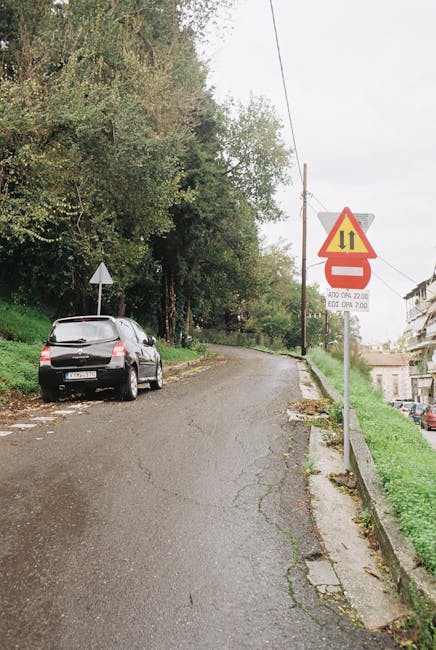
- Assuming the van will fit without checking. Street photos can be misleading, and map views rarely show parked cars.
- Leaving parking arrangements to the last minute. This creates stress and can add time when you can least afford it.
- Overpacking boxes. Heavy boxes are harder to carry through narrow spaces and more likely to split.
- Ignoring weather. Rain makes loading slower and surfaces more slippery, especially on tight pavements.
- Forgetting disposal and clearance. If old items are being removed, plan for responsible sorting rather than stuffing everything into the van.
A quieter mistake is not telling the mover about restrictions or awkward access until arrival. If there is a gate code, resident-only parking, a steep drive, or a particularly sharp corner, say so early. That way the plan can actually match reality.
For anyone leaving a property spotless after a move, especially if you are handing back a rental or meeting a landlord, this cleaning guide is worth bookmarking. Clean exits and tidy access planning tend to go hand in hand.
Tools, Resources and Recommendations
You do not need a truckload of specialist gear for a narrow-street move, but the right basics make a big difference. Small tools. Big relief.
| Tool or Resource | Why It Helps | Best Used For |
|---|---|---|
| Furniture blankets | Protects items from scuffs and corner knocks | Sofas, tables, wardrobes |
| Stretch wrap | Keeps drawers, doors, and loose parts secure | Cupboards, dressers, shelving |
| Corner protectors | Reduces damage to both furniture and walls | Large framed items, desks, cabinets |
| Trolley or dolly | Eases heavy carrying over short, flat sections | Boxes, appliances, heavy parcels |
| Mattress cover | Helps keep bedding clean and dry | Bed moves and storage |
| Inventory list | Makes loading and unloading more organised | Any full or partial move |
If you need packing supplies, it is worth looking at packing and boxes in Forestdale before the move date rather than after, when every shop run becomes another bit of lost time. For items that need temporary holding space, storage in Forestdale can also be a sensible bridge between properties.
One more practical note: if an appliance is coming out and not immediately going into a new home, the freezer care guide on storing units during inactive times is a useful reference. Appliances are awkward enough already. No need to make them worse.
Law, Compliance, Standards, or Best Practice
Moving on narrow residential streets is not usually a heavily regulated activity in itself, but it still sits within normal UK road and safety expectations. That means careful parking, sensible loading, and respect for access needs around homes and shared spaces.
Best practice generally includes the following:
- Do not block emergency access. A van should never create unnecessary risk for residents or services.
- Use safe lifting methods. Heavy or awkward items should be handled in a way that reduces strain and injury risk.
- Protect property. Door frames, floors, and common areas should be guarded where feasible.
- Be transparent about access issues. Accurate information helps the mover plan safely and quote fairly.
- Follow the operator's policies. If a removal company has stated health and safety processes, it is worth reading them rather than guessing.
Useful supporting pages include insurance and safety, the health and safety policy, and terms and conditions. These pages help set expectations around responsibility, handling, and service scope, which is especially important when a move becomes more complex than expected.
For anyone comparing providers, it also helps to review a company's background and process. Our about us page and removal services in Forestdale page explain the sort of service approach you should expect from a careful local mover.
Options, Methods, or Comparison Table
There are usually three workable approaches for a narrow-street move. The right one depends on the size of the load, the street access, and how much time you have.
| Method | Best For | Advantages | Trade-Offs |
|---|---|---|---|
| Single large van | Clear access, bigger moves, fewer trips | Efficient once parked, fewer handovers | Harder to manoeuvre on tight streets |
| Smaller van or man and van setup | Very narrow roads, lighter loads, local moves | Easier access, more flexible parking | May need multiple trips for larger households |
| Split move with storage | Staggered moving dates, limited access, renovations | Reduces pressure on moving day | Needs extra planning and temporary storage |
In many Forestdale-area moves, the choice comes down to access first and capacity second. That is a slight reversal of how people normally think about removals, but it often works better. If a bigger van cannot get close enough to the property, the extra space inside it is not much help. Not really.
If you are exploring wider service options, man and van services in Forestdale can suit smaller or trickier jobs, while removals in Forestdale may be the better fit for fuller household moves.
Case Study or Real-World Example
Imagine a typical local move from Forestdale to a property near Shirley Road. The home is a two-bedroom flat with a sofa, bed frame, mattress, chest of drawers, boxes of books, and a couple of awkward appliances. The street outside is narrow, with parked cars on one side and a bend just before the property.
On the surface, it looks manageable. And it is, but only if the plan is sensible.
In this sort of move, the most effective approach is often to:
- move the largest furniture first while the access route is clear
- load boxes in a sequence that avoids blocking the heavier items
- keep the vehicle stop short and safe rather than trying to squeeze into a bad position
- use a second person, if available, to watch for traffic and help with carry safety
What tends to go wrong in a real move like this? Usually one of two things. Either the van is too large for the turning space, or the team loads items in the wrong order and ends up spending ten extra minutes reshuffling everything. It is never the glamorous problems. It is always the little ones.
This is also where specialist item handling matters. A piano, for example, should not be treated like a normal piece of furniture. If your move includes one, the article on why piano moves are not DIY projects explains why expert handling is the safer path.
The end result of good planning is usually boring in the best possible way: the van arrives, the move happens, nobody panics, and the street is clear again. That is what you want.
Practical Checklist
Use this checklist the day before and again on the morning of the move. It is simple, but it catches a lot of avoidable mistakes.
- Confirm the exact moving address and access notes.
- Check whether the street allows a practical stopping point for the van.
- Identify the largest items and the order they will be taken out.
- Measure any tight doors, stair turns, or hallway corners.
- Wrap fragile or easily scuffed furniture.
- Keep boxes labelled by priority, not just by room.
- Prepare a clear path from the front door to the vehicle.
- Set aside keys, documents, and essentials in a separate bag.
- Tell the mover about any parking restrictions, gates, or codes.
- Have a backup plan if the street is busier than expected.
Expert summary: Narrow-street moves succeed when access is treated as part of the move, not a side issue. Smaller loads, smarter timing, and clear communication usually beat last-minute improvising every time.
If you are comparing quotes, the pricing and quotes page is a sensible place to understand how access and service details may affect the final estimate. It is often less about "cheap versus expensive" and more about whether the quote reflects the real job.
For local route awareness, it can also help to review nearby journey patterns. A related article on best removals routes from Forestdale Estate to East Croydon offers a useful example of how route choice can affect timing and ease.
Conclusion
Forestdale to Shirley Road - Navigating Narrow Streets is really about one thing: turning a potentially awkward access challenge into a controlled, manageable move. Once you stop treating the street as an afterthought, the whole process becomes easier to plan, safer to carry out, and far less frustrating for everyone involved.
The winning formula is usually straightforward. Check the access. Choose the right vehicle. Pack with the loading order in mind. Protect the items that matter. And keep everyone informed. Simple, yes. But simple is often where the best moving days begin.
If you are still weighing up the best approach for your own move, start by thinking about what will be hardest to carry, what will be hardest to park, and what will be hardest to fit through the street. That usually reveals the real plan.
Get a free quote today and see how much you can save.
And if you want a smooth, steady move rather than a stressful one, that is absolutely achievable. A little planning goes a long way, and on a narrow street, it goes even further.