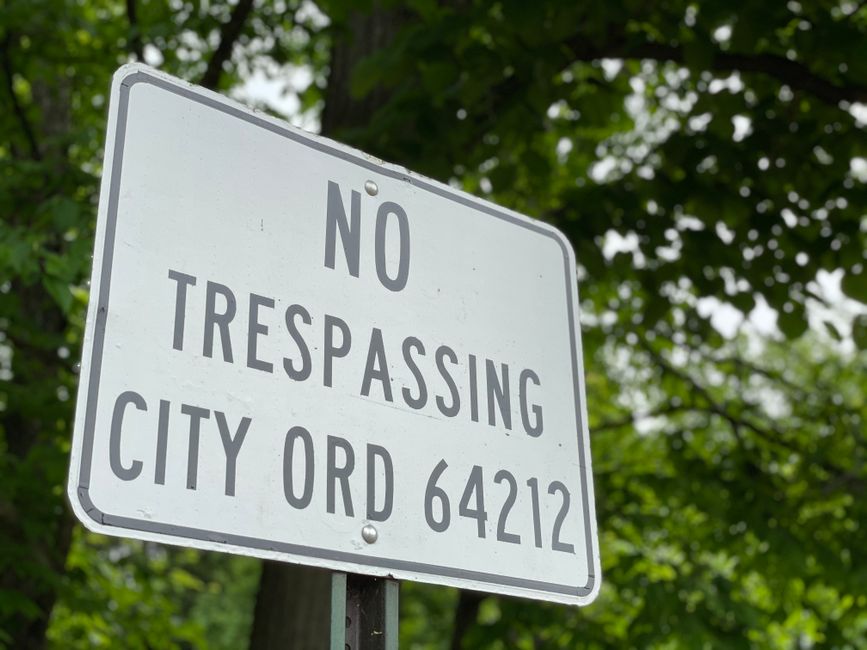
Moving with Parking Restrictions on Forestdale Estate
Posted on 18/06/2026

Moving day is stressful enough without circling the estate looking for somewhere legal to stop a van. If you are moving with parking restrictions on Forestdale Estate, the real challenge is often not the lifting, packing, or even the stairs - it is access. Where the vehicle can wait, how long it can stay, and whether you need a clear loading space can all shape the whole move. Get that wrong, and the day quickly turns into a scramble. Get it right, and everything feels calmer. Much calmer.
This guide walks through the practical side of local moving access: what parking restrictions mean in real life, how to plan around them, which mistakes cause the most delay, and when it makes sense to bring in help. If you want a smoother move, fewer surprises, and less standing around with boxes in your hands, you are in the right place.
Why Moving with Parking Restrictions on Forestdale Estate Matters
Parking restrictions affect moving day more than most people expect. On a normal weekday, a van may need to stop only for a short loading window, but on an estate with limited curb space, that window can disappear fast. If another vehicle is already in place, if the road is narrow, or if there are marked bays and time limits, your crew may have to work further from the front door. That means extra walking, slower loading, and more risk of damage while carrying furniture across a longer route.
There is also the human side of it. A move already involves keys, paperwork, last-minute dust, and that odd mix of excitement and panic. Add access problems and people start making rushed decisions. You might think, "We'll just stop there for a minute," but local restrictions do not always care about good intentions. To be fair, that is where most avoidable moving problems begin.
For homes on Forestdale Estate, planning around parking is not a minor detail. It shapes:
- how close the removal van can get to the property
- how many trips the team needs to make
- how long loading and unloading takes
- whether awkward items need a second carrying stage
- the risk of delays, neighbours complaining, or penalties from improper stopping
If you are moving from a flat, a family home, or student accommodation, the access picture can be very different. That is why local knowledge matters. A good plan saves time, reduces strain, and helps protect both the property and the vehicle. If you are still shaping the wider move, it can help to read the ultimate strategy for a calmer house move alongside this guide.
How Moving with Parking Restrictions on Forestdale Estate Works
In simple terms, the move works by matching the van to the access you actually have - not the access you wish you had. That usually means checking where the vehicle can legally stop, how close it can get to the entrance, and whether the route from van to front door is clear enough for repeated carrying.
Most local moves follow a pattern like this:
- Check the access first. Look for marked bays, permit areas, yellow lines, private road rules, corner visibility issues, and any signs that say loading is restricted.
- Choose the right arrival time. Quiet periods often make access easier. Early starts can help, though you still need to respect any local restrictions.
- Plan the unloading order. Large items, heavy items, and anything fragile should be prioritised in a way that reduces double handling.
- Use the shortest safe carrying route. Sometimes that means a side path, a rear entrance, or a carefully protected walk from a legal stopping point.
- Keep the van movement simple. Reverse manoeuvres, blocked turns, and unnecessary repositioning slow everything down.
In practice, the best moves are boring in the right way. The van arrives, the stopping point is already clear, and everyone knows what comes first. Nothing heroic. Just organised. If you have ever watched a crew stall because they had to move the vehicle three times, you already know how quickly a neat plan pays for itself.
It also helps to understand the difference between a waiting vehicle and a loading vehicle. A loading stop may be allowed only for a short period and only while active loading or unloading is taking place. That is why it is worth having keys, access instructions, and packed boxes ready before the van arrives. No one wants to pay for a van idling while someone searches for the hallway keys or tries to find the kettle. Yes, the kettle somehow always seems important at that exact moment.
For moves involving narrow access or awkward routes nearby, these local guides can be useful background reading: moving tips for local access on CR0 routes and navigating the narrower streets towards Shirley Road.
Key Benefits and Practical Advantages
Good parking planning sounds unglamorous, but the benefits are very real. The biggest one is probably this: fewer surprises. Once access is sorted, the rest of the day becomes more predictable. And predictability is gold on moving day.
- Less physical strain: Shorter carrying distances reduce the chance of a pulled muscle, a dropped box, or a battered wall corner.
- Faster turnaround: The van spends less time repositioning and more time loading properly.
- Better protection for furniture: Sofas, beds, and wardrobes are easier to manage when you are not carrying them far from the vehicle.
- Lower stress for the household: People can focus on the move itself instead of arguing about where to park.
- Cleaner neighbour relations: A tidy, lawful loading plan is much more considerate than blocking driveways or straddling corners.
There is a commercial side too. When a move is planned properly, the work is usually more efficient, and that can help avoid unnecessary overtime or repeat visits. If you are trying to make the most of a tight schedule, you might also find value in packing hacks that reduce moving day delays and smart decluttering tips before the shift.
Another benefit people forget: parking strategy can protect the move-out property. Repeated carrying over long distances increases scuffs on floors, door frames, and walls. A closer legal stop point helps reduce that. Small detail, big difference.
Who This Is For and When It Makes Sense
This approach makes sense for almost anyone moving on or near Forestdale Estate, but it is especially useful in a few situations.
- Households in flats or maisonettes where vehicle access is limited and every extra step matters.
- Families with heavier furniture such as wardrobes, sofas, beds, and appliances.
- Students and sharers who may be moving on a deadline and need the quickest possible unload.
- Anyone moving in winter or wet weather when slippery paths and dark evenings make longer carrying routes less ideal.
- People handling a same-day move where there is simply no spare time for access problems.
It also suits anyone who has ever thought, halfway through a move, "This is taking far longer than I planned." Often the missing piece is not packing. It is parking.
If the move involves a piano, specialist equipment, or bulky items with awkward balance points, parking restrictions become even more important because you need controlled handling from van to property. That is one reason many people decide not to improvise with difficult items and instead take a more careful route. For a deeper look at specialist lifting, this guide on piano moves is a sensible read. For smaller or shared properties, flat removals in Forestdale can be a better fit than trying to force a one-size-fits-all plan.
Step-by-Step Guidance
Here is a practical process you can follow. Nothing fancy. Just a solid structure that reduces headaches.
- Map the access before moving day. Walk the route from the nearest legal stopping point to the door. Count the steps, check for low walls, tight turns, and any awkward kerbs.
- Note the restrictions in plain language. Write down where you can and cannot stop, any likely time limits, and whether the space is shared with neighbours.
- Decide who handles what. One person should watch the van, one should guide items, and one should keep the door route clear if possible.
- Pack by priority. Place first-load items together, and keep essentials in one clearly labelled box. That saves a lot of wandering around later.
- Book the vehicle size sensibly. A van that is too large for the road can create more trouble than it solves. A smaller vehicle with a second trip may be smarter in some cases.
- Protect the route. Use floor covers, blankets, or cardboard where needed if the carrying route passes through the home.
- Unload in a logical order. Heavy and awkward pieces first, then boxes, then delicate items. Don't bury the sofa under twenty miscellaneous tubs. It happens.
- Keep communicating. If the stop point changes, or if another car blocks the route, adjust quickly rather than forcing the original plan.
A good rule of thumb: if you are unsure whether the van can stop safely and legally, assume it cannot until you have checked. That sounds cautious, maybe even a bit dull, but dull is good on moving day.
When in doubt, build in time. A ten-minute access delay can cascade into a forty-minute delay if the team has to rework the whole loading sequence. It's the sort of thing people only notice once they are already tired and hungry, which is exactly when decisions get sloppy.
Expert Tips for Better Results
Here are the practical touches that often separate a decent move from a smooth one.
- Keep the front route clear the night before. Bins, bikes, prams, and loose items love to appear right when you need space.
- Label items by room and priority. That makes unloading faster when the van is parked a little further away than you hoped.
- Have the first box ready near the door. Cleaning kit, tea bags, phone charger, toilet roll, documents. The small things matter more than people think.
- Use sturdy packing materials. If a box bottoms out halfway down the path, the parking plan suddenly matters a lot less than the mess it leaves behind.
- Measure awkward items before the day. Bed frames, sofas, and appliances should be matched to the carrying route, not just the room size.
- Watch the weather. Wet paving and dark evenings make long carries slower and less safe. A little planning can prevent a lot of slipping about.
One small but useful trick: take a quick photo of the stopping point and the entrance before the move starts. It is not glamorous, but it helps everyone remember the layout if plans change mid-way. The human brain is brilliant and hopeless at the same time.
If you are moving heavier household items, it can also help to brush up on safe solo heavy lifting habits and the practical thinking behind better lifting techniques. For item-specific moves, there are also useful guides on bed and mattress moving and storing a freezer during downtime.

Common Mistakes to Avoid
Parking restrictions are one of those things people underestimate right up until they cause a delay. The most common mistakes are not dramatic, just annoying enough to derail the day.
- Assuming a quick stop will be fine. In reality, a short stop can still be a violation if it is in the wrong place.
- Leaving access checks until the van arrives. That is how you end up with everyone standing around while someone rethinks the route.
- Booking a van without considering road width. Bigger is not always better. Sometimes it is just bigger.
- Parking too far from the property without planning for it. Every extra metre adds time and strain.
- Failing to protect the carrying route. A scratched floor or chipped doorway can become an expensive nuisance.
- Ignoring neighbour access. Blocking a driveway or entrance can create complaints very quickly.
Another easy mistake is overpacking the van and then discovering you need to move half the load again because the parking space disappears. It sounds silly, but it happens. A lot.
If you want to avoid the hidden extra costs that can creep into local moves, take a look at how hidden removal costs build up. And if your schedule is already tight, this emergency same-day removals guide is worth a read.
Tools, Resources and Recommendations
You do not need a huge toolkit, but a few practical items make a real difference when parking is constrained.
- Moving blankets and furniture covers for protection during longer carries
- Straps and trolley equipment to help with heavy items between the van and the property
- Floor protection for hallways, stair edges, and thresholds
- Labels and marker pens for faster unloading and room sorting
- Phone flashlight if access is dim or the move runs later than planned
- Basic cleaning kit for last-minute wipe-downs and dust control
For a broader move, these internal resources can help you build a stronger plan:
- packing and boxes in Forestdale for organised preparation
- removal services in Forestdale for general move planning
- man with a van in Forestdale if you need a flexible local vehicle option
- house removals Forestdale for fuller move support
- storage in Forestdale if access or timing means you need to split the move
If you are comparing support levels, it is sensible to think about whether you need a full crew, a smaller vehicle, or just help with the awkward items. There is no prize for overcomplicating it.
Law, Compliance, Standards, or Best Practice
Parking and loading rules can vary by street, estate, and local authority setup, so it is best to treat any restrictions with care rather than guess. The safest approach is to check what applies to the exact location and plan around the real access conditions on the day. In the UK, moving crews are expected to work within local parking controls, road markings, and access restrictions, and customers should also avoid blocking residents, emergency access, or driveways.
From a best-practice perspective, a professional move should aim to:
- keep stopping points lawful and practical
- avoid unnecessary obstruction
- protect people, property, and vehicles
- use safe manual handling methods
- reduce repeated lifting wherever possible
Safety is not a box-ticking exercise. It is what stops a "simple move" from becoming a real headache. If you want to see how a company approaches these duties, their health and safety policy and insurance and safety information are useful places to look.
For people moving into or out of shared buildings, flats, or student accommodation, it is also sensible to plan around building access rules, lift use, and neighbour considerations. That is ordinary best practice, but it saves a lot of awkwardness.
Options, Methods, or Comparison Table
There is more than one way to handle a move when parking is limited. The right option depends on space, load size, and how much lifting you want to do yourself.
| Method | Best For | Pros | Trade-Offs |
|---|---|---|---|
| Direct legal stopping point near the property | Homes with decent frontage or nearby loading space | Fast, simple, less carrying | May not be available at busy times |
| Short carry from a permitted bay or side road | Restricted streets with nearby lawful parking | Flexible and often realistic | Slower than door-to-van loading |
| Two-stage load with smaller vehicle access plus hand-carry | Narrow or awkward estate layouts | Can work where larger vehicles struggle | More labour and more time |
| Split move with storage between dates | When parking, timing, or key handover is uncertain | Reduces same-day pressure | Extra coordination needed |
For many Forestdale moves, the best option is not the biggest van or the fastest van. It is the one that can legally and safely work with the street layout you actually have. If your move is a flat move, the flat removals Forestdale page is a useful companion reference.
Case Study or Real-World Example
A typical local scenario goes like this. A family is moving out of a ground-floor home on Forestdale Estate on a Friday morning. They assume the van can stop right outside, but on arrival the nearest obvious space is already taken. There is a better legal stopping point a short walk away, but only if the team knows to use it.
Because the access was checked in advance, the crew adjusts quickly. The heavier furniture is loaded first while the vehicle is in place. Boxes are staged near the door, labelled by room, and the team keeps the hallway clear. The move is not magically instant, but it stays calm. No awkward arguments, no frantic van repositioning, no one muttering under their breath at 11:20 a.m.
Now imagine the same move without that planning. The van arrives late, the driver has to search for space, someone parks too far away, and the sofa has to be carried an extra distance in drizzle. That is where small delays become big ones. The whole day feels heavier.
A second example is a student move with fewer items but a very tight deadline. In that case, a smaller vehicle and a simpler load order can be the smarter choice. It is not about looking impressive. It is about getting the job done without drama.
Practical Checklist
Use this checklist the day before and on the morning of the move.
- Confirm where the van can legally stop.
- Check for any time-based parking limits.
- Walk the route from stop point to front door.
- Clear bins, bikes, and loose items from the route.
- Pack a first-day essentials box separately.
- Label boxes by room and priority.
- Protect floors, corners, and door frames.
- Keep keys, documents, and phone chargers close to hand.
- Prioritise heavy and fragile items in the loading plan.
- Leave a little buffer in the schedule for access delays.
Expert summary: When parking is restricted, the move is won before the van arrives. Clear access, sensible load order, and a lawful stopping point will usually save more time than any last-minute rush ever can.
If you are trying to keep the wider move tidy, it may also help to read about leaving your old home spick and span before moving and keeping sofas in good shape during storage. Those little details add up fast.
Get a free quote today and see how much you can save.
Conclusion
Moving with parking restrictions on Forestdale Estate is not really about parking alone. It is about control, timing, and making the day work in the real world instead of on paper. Once the access plan is clear, everything else becomes easier - packing, lifting, routing, and even the mood of the day. That matters more than people think.
So, if you are staring at a narrow street, a restricted bay, or a tight estate layout and wondering how it will all come together, take a breath. It can be managed. Most of the stress comes from uncertainty, and uncertainty is exactly what a good plan removes. One step at a time, that is usually enough.